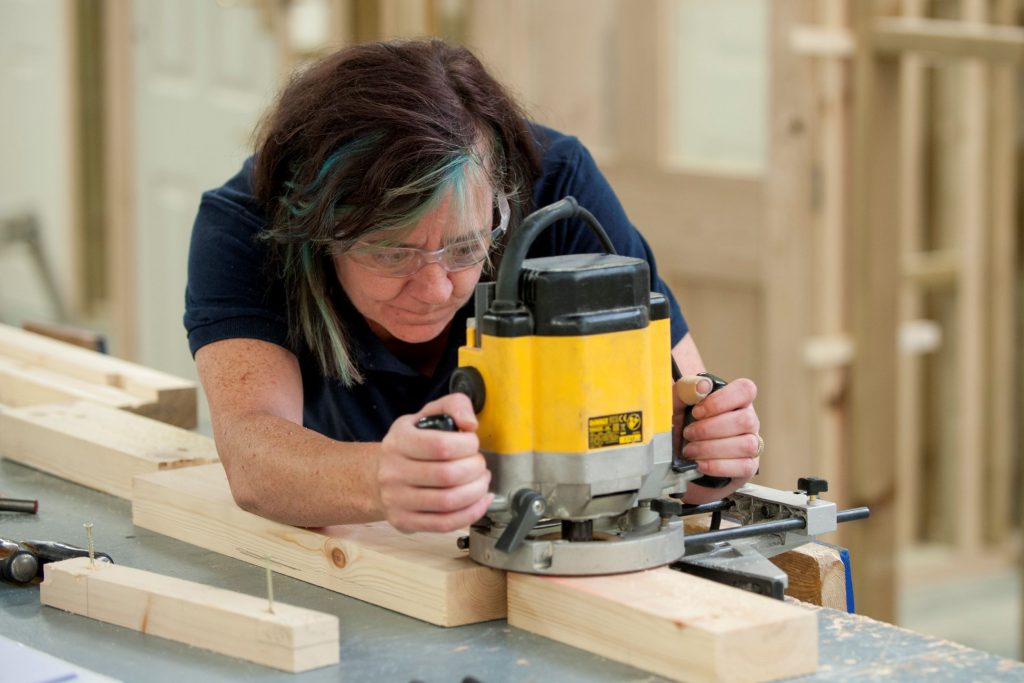
Carpentry is one of the oldest industries in the world. In fact, the discovery of a log structure, possibly a platform or bridge, using notches to hold it together dates structural carpentry back to nearly half a million years ago.
Fast-forward to the present day, and it’s safe to say the industry has developed a fair amount since then. While carpentry once related to working strictly with wood, those now in the industry often deal with a variety of materials, forming an essential part of the construction process.
What skills does a carpenter need?
Like all careers in trade, being prepared to get hands-on and pay close attention to detail are both key skills required to succeed in carpentry.
Maths knowledge will also come in extremely handy when it comes to working out measurements and providing accurate quotes. Good communication skills are also a bonus and will be vital when speaking to fellow team members and customers.
Along with that, there will likely be occasions where you’re working alone, particularly if you go on to start your own business, so being able to motivate yourself in these situations is important.
What qualifications does a carpenter need?
While technically you don’t need formal qualifications to begin working in the carpentry industry, it’s highly unlikely businesses will offer work to someone without some element of practical experience or training.
Generally, there are three main routes to the industry.
- Carpentry college course: the level of course you can apply for usually depends on your grades at GCSE level.
- Carpentry apprenticeship: a popular choice, as you can earn while you learn from experienced carpenters on the job.
- Carpentry courses: construction training providers like Able Skills can help budding carpenters work towards their industry-standard qualifications through expert-led courses for all levels of experience.
Do carpenters need to register with any trade bodies?
Like any trade sector, if you want to work on a construction site, you’ll need to hold a CSCS card relevant to your occupation, experience and qualification or professional membership.
What are the typical day-to-day tasks for a carpenter?
The tasks facing a carpenter will vary depending on whether you work in a domestic, commercial or industrial setting. However, common jobs can include:
- Cutting and shaping timber for floorboards, doors, skirting boards and window frames
- Making and fitting structures like staircases, door frames, roof timbers and walls
- Assembling furniture
- Installing kitchens, cupboards and shelving units
- Building shuttering (wooden supports) to hold wet concrete in place
- Fitting commercial interiors (shops, bars, restaurants )
- Building stage sets for TV and film productions
How much do carpenters earn?
According to the latest data from Indeed, the average salary of a qualified carpenter in the UK is £47,478, though this figure will vary with geographical location and experience.
Dive into carpenters' earnings in more detail in this article: What can carpenters earn at different stages of their careers?
Possible career progression for carpenters
After gaining experience in the industry, starting your own business is a very realistic prospect for qualified carpenters.
Beyond that, other progression routes could include construction estimating, contracts management, stage set design and heritage restoration.
There’s also the option of going down the teaching route, whether that be in a college, workplace or training centre environment.
Looking to gain formal carpentry qualifications? The NVQ Level 2 course is the ideal choice for anyone looking for training that reflects the skills genuinely required of carpenters working on site.
Still unsure? Pop into our training centre for a chat with our friendly team of experts who’ll know exactly which course is right for you. If you can’t make it in, give us a call on 01322 280 202.
Editor's note: This article was originally published 01 April 2022. Updated 11 September 2025.
 Carpentry